

Why Replacing Your Mattress Is a Smart Health Investment
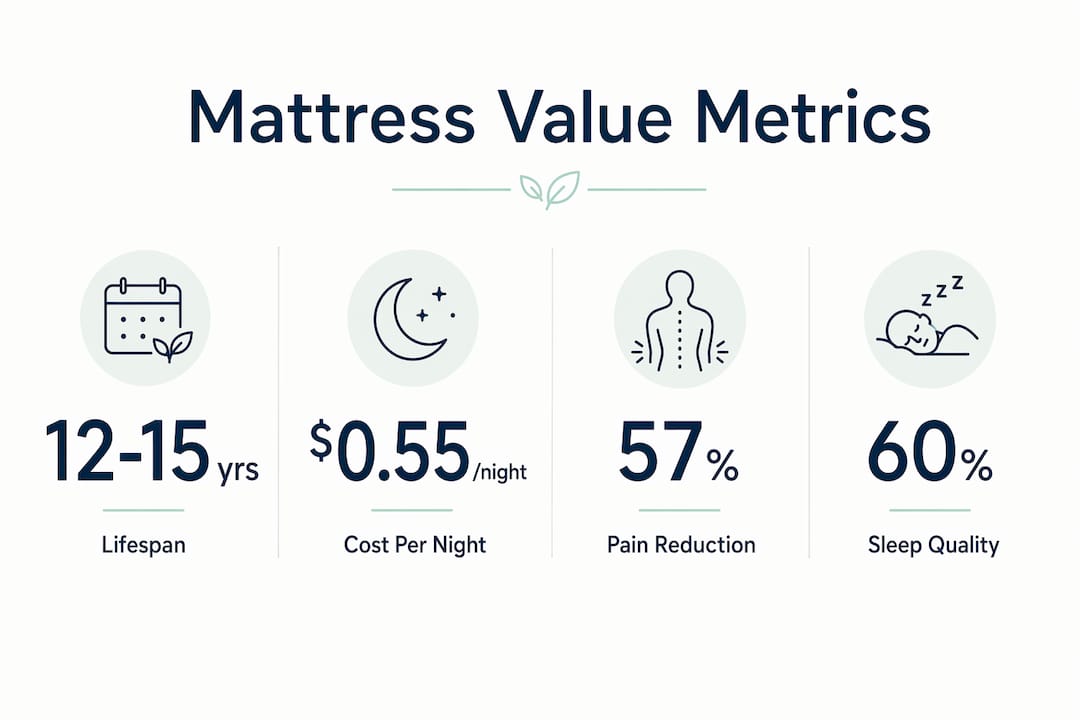
Replacing your mattress is a direct investment in your physical health, cognitive recovery, and long-term wellbeing. A worn mattress does not just feel uncomfortable. It actively disrupts sleep architecture, elevates stress hormones, and compounds pain over time. Research shows that switching from an old mattress to a new medium-firm model reduces back pain by up to 57% and improves sleep quality scores by 60% within four weeks. Understanding why replacing mattress is investment thinking, not luxury spending, starts with what the science actually shows.
Why replacing a mattress is a high-yield health investment
The clinical case for mattress replacement is stronger than most people realize. A systematic review published in Sleep Science found that a new mattress reduces back pain by 57%, shoulder pain by 60%, and stiffness by 59%, while improving overall sleep comfort by more than 60%. Those are not marginal gains. They are the kind of improvements people typically associate with physical therapy or medication.
The mechanism behind these benefits is spinal alignment. Harvard researchers link mattress support to sleep architecture, specifically to the reduction of micro-arousals that interrupt slow-wave restorative sleep. When a mattress sags or loses its support structure, the spine compensates throughout the night. That compensation triggers muscle tension, shallow sleep, and elevated cortisol by morning.
Stress hormones tell the full story. Replacing an old mattress averaging 9.5 years of use lowers stress hormones by 48% over just 28 days. That reduction has downstream effects on immune function, mood regulation, and metabolic health. The benefits of a new mattress are not cosmetic. They are physiological.
“A mattress is not furniture. It is recovery infrastructure. Treating it as a one-time purchase rather than a health tool is the single most common sleep mistake I see.” — sleep health perspective
Pro Tip: When evaluating mattress research, look for studies that measure objective outcomes like cortisol levels or polysomnography data, not just comfort surveys. Those numbers give you the clearest picture of real health ROI.
How mattress type and quality affect lifespan and value
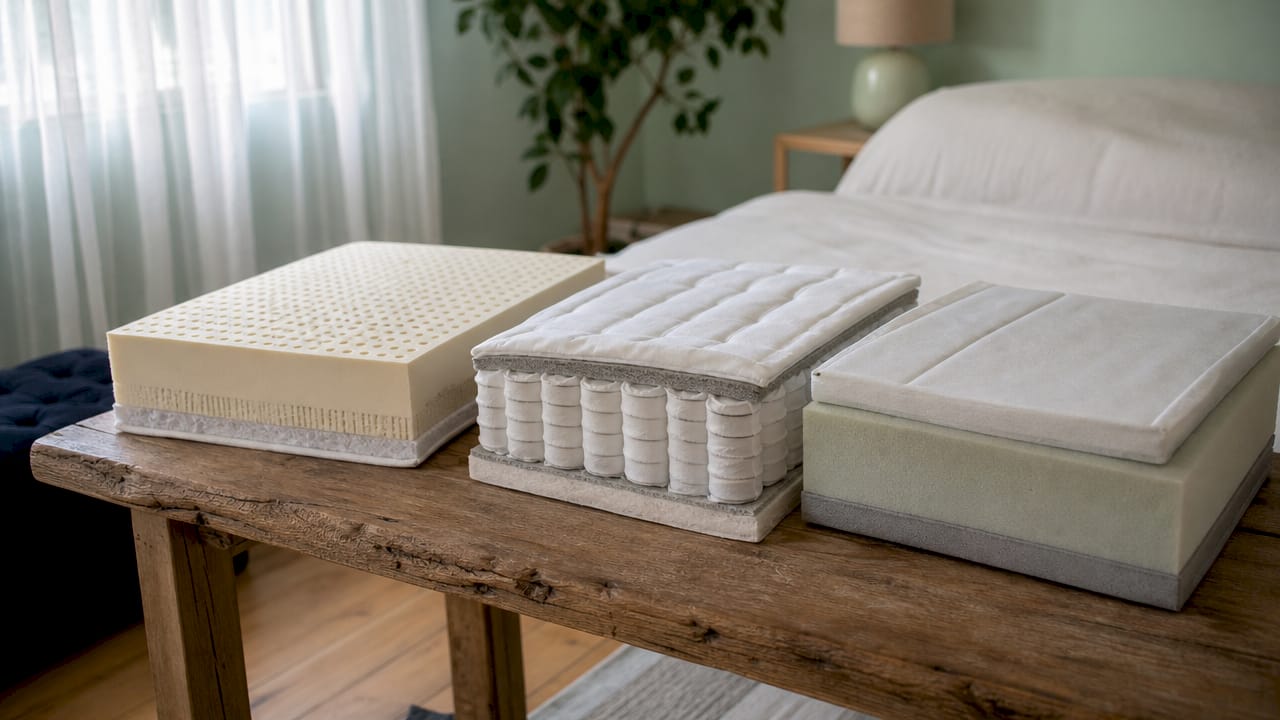
Not all mattresses depreciate at the same rate. Quality coil hybrids and natural latex mattresses last 12–15 years, while entry-level memory foam models typically need replacement within 5–10 years. That gap matters enormously when you calculate the true cost of ownership.
The most useful framework for evaluating mattress investment value is cost-per-night. A $2,000 mattress lasting 10 years costs about $0.55 per night. Replacing a $500 budget mattress every three years over that same decade costs more in total and delivers worse health outcomes throughout. The math consistently favors the premium purchase.
| Mattress type | Typical lifespan | Approx. cost range | Est. cost per night |
|---|---|---|---|
| Natural latex | 12–15 years | $1,500–$2,500 | $0.27–$0.57 |
| Coil hybrid | 12–15 years | $1,000–$2,000 | $0.18–$0.46 |
| Memory foam (mid-range) | 7–10 years | $800–$1,500 | $0.22–$0.59 |
| Budget foam | 5–7 years | $300–$600 | $0.12–$0.33 per night, but replaced 2x more often |
The table above shows that budget models appear cheaper upfront. Over a decade, however, two or three replacements of a budget mattress add up to more spending and more nights on a degraded surface. Investing in sleep quality once, with a durable mattress, beats the cycle of cheap replacements.
Pro Tip: Check the mattress materials health comparison before you buy. Material quality drives durability more than brand name or marketing claims.
What are the signs it’s time to replace your mattress?
The true indicator of replacement need is a combination of physical degradation and personal symptoms, not calendar age alone. A mattress that looks fine from across the room can still be failing your spine every night.
The clearest replacement signals are:
- Sagging greater than 1.5 inches. Run a straight edge across the surface. Sagging over 1.5 inches is a reliable predictor of structural failure and poor spinal support.
- Morning pain that resolves after sleeping elsewhere. If your back or joints feel better after a night in a hotel or on a guest bed, your mattress is the problem.
- Increased allergy symptoms. Dust mites accumulate in mattress foam over time. A spike in nighttime congestion or skin irritation often traces back to the mattress.
- Frequent waking and partner disturbance. A worn mattress transfers motion more easily and creates pressure points that pull you out of deep sleep.
- Visible body impressions. Permanent indentations show the foam or coils have lost their ability to recover, which means they have lost their ability to support you.
Mattress toppers are a common workaround, but toppers mask structural failure without correcting it. Adding two inches of foam on top of a sagging core still leaves your spine unsupported at the deepest compression points. Toppers buy a few months of comfort, not a solution.
Dr. Hooman Melamed, a spine surgeon, frames this clearly: mattress replacement is a performance decision. Delaying it forces the body to operate on a broken recovery system every single night.
Pro Tip: Sleep on a different surface for two consecutive nights, such as a firm sofa or a guest mattress, and track your morning pain levels. If you feel measurably better, your mattress has already failed you.
How a quality mattress supports long-term health and wellness
Sleep is the body’s primary recovery window. A quality mattress protects that window by maintaining the spinal alignment and pressure relief needed for sustained deep sleep. When that support degrades, the compounding effects on health are significant.
The American Academy of Sleep Medicine found that poor sleep quality increases metabolic syndrome risk by 31% over 10 years. Metabolic syndrome covers a cluster of conditions including high blood pressure, elevated blood sugar, and excess abdominal fat. A worn mattress is not just making you tired. It is quietly raising your long-term disease risk.
The compounding benefits of investing in sleep quality include:
- Cognitive function. Deep slow-wave sleep consolidates memory and clears metabolic waste from the brain. A mattress that interrupts this stage repeatedly degrades focus and decision-making over months.
- Immune resilience. The body produces cytokines during sleep. Chronic sleep disruption from a poor mattress reduces cytokine output, leaving the immune system less prepared.
- Energy and mood. Cortisol spikes from poor sleep create a cycle of fatigue and irritability that no amount of caffeine fully corrects.
- Physical recovery. Athletes and active adults depend on deep sleep for muscle repair. A sagging mattress shortens the time spent in restorative sleep stages.
Pairing a quality mattress with proper spinal support features and a consistent sleep schedule multiplies these benefits. The mattress is the foundation. Everything else builds on it.
Key Takeaways
Replacing your mattress is a measurable health investment that delivers faster and more significant returns than most people expect.
| Point | Details |
|---|---|
| Clinical results are fast | New mattresses reduce back pain by up to 57% and improve sleep quality by 60% within four weeks. |
| Cost-per-night favors premium | A $2,000 mattress at $0.55 per night outperforms multiple cheap replacements over the same decade. |
| Symptoms beat the calendar | Sagging over 1.5 inches and morning pain resolved elsewhere are more reliable replacement signals than age alone. |
| Toppers are not a fix | Mattress toppers mask structural failure without correcting poor spinal support at the core level. |
| Long-term health stakes are real | Poor sleep from a worn mattress raises metabolic syndrome risk by 31% over 10 years. |
The performance decision most people delay too long
I have spent years paying attention to how people approach sleep health, and the pattern is consistent. People will spend $200 on a fitness tracker to monitor their recovery, then sleep on a mattress that has been sagging for three years. The logic does not hold up.
A mattress is not a comfort preference. It is the single piece of equipment your body uses for 7–9 hours every night to repair tissue, consolidate memory, and regulate hormones. Treating it as a background expense rather than a health tool is the same as buying quality running shoes and then training on a broken track.
The false economy trap is real. I see it most often with mattress toppers. People spend $150 on a topper to extend the life of a $400 mattress that has already lost its structural integrity. They get a few months of slightly better surface comfort while the underlying support problem continues. Six months later, the back pain is back and the topper has compressed too.
The smarter move is to evaluate your mattress the way you would evaluate any other recovery tool. Check for sagging. Track your morning symptoms. If you wake up stiff and feel better after sleeping somewhere else, the mattress has already failed. Replacing it is not a luxury decision. It is a performance decision, and delaying it costs you more in health outcomes than it saves in dollars.
— Justin
Guestlysleep fiberglass-free mattresses built for long-term health
Guestlysleep builds its mattresses in the United States using certified, fiberglass-free materials designed for people who take sleep health seriously. Every mattress is engineered for durability and proper spinal support, which means you get the health returns the research promises without the material safety concerns that come with lower-quality construction.

If you are ready to treat sleep as the health investment it is, Guestlysleep offers a 60-night sleep trial, free shipping, and a product range built around your sleep position and comfort needs. Start with the fiberglass-free mattress collection to find the right fit, or go straight to the 14" Lux Hybrid Firm for a durable, supportive option built to last.
FAQ
How much does a new mattress improve sleep quality?
Replacing an old mattress with a new medium-firm model improves sleep quality scores by 60% within four weeks. Improvements in pain and stress hormones typically begin within the first few nights.
When should you replace your mattress?
Replace your mattress when it shows sagging greater than 1.5 inches, causes morning pain that resolves after sleeping elsewhere, or is more than 7–10 years old for foam models. Physical symptoms are a more reliable signal than age alone.
Is a new mattress worth the cost?
A $2,000 mattress lasting 10 years costs about $0.55 per night, making it more economical than replacing budget mattresses multiple times over the same period. The health benefits add further value that cost-per-night alone does not capture.
Do mattress toppers work as a replacement fix?
Mattress toppers provide temporary surface comfort but do not correct structural failure in the core. Toppers mask sagging without restoring the spinal support a worn mattress can no longer provide.
What mattress type lasts the longest?
Natural latex and quality coil hybrid mattresses last 12–15 years, making them the most durable options. Entry-level memory foam models typically require replacement within 5–10 years, which affects their long-term cost efficiency.