

When Certified Covers Matter: Protector or Encasement for Allergies
Most people only need a mattress protector: a fitted, waterproof cover that handles spills, sweat, and surface dust. Reach for a full encasement instead if you’re dealing with a confirmed bed bug problem, managing severe dust-mite allergies, living in multiunit housing, or storing a mattress long-term. Using both together isn’t standard, but it does happen when someone wants spill protection layered over pest or allergen containment.
TL;DR:
- Mattress protectors are waterproof covers that only shield the sleep surface and require weekly washing, lasting typically one to three years.
- Encasements fully seal the entire mattress and are essential for bed bug prevention and allergen control, but they are less easy to wash regularly and more expensive.
- For allergen management, full encasements tested against dust mites are recommended, especially if allergy symptoms or asthma are diagnosed.
- Layering a washable protector over an encasement helps manage spills and reduces deep-cleaning needs for pest or allergen-proof covers.
- Most households only need a protector, reserving encasements for confirmed pest issues, severe allergies, or long-term storage.
Table of Contents
- Mattress Protector vs Encasement: The Basic Difference
- What a Mattress Encasement Actually Does
- Comparing Protectors and Encasements Side by Side
- How to Choose: A Quick Buying Checklist
- What the Clinical Guidance and Guestlysleep Recommend
- What I Tell People Who Ask Me This
- Protect Your Mattress the Right Way With Guestlysleep
- Sources
- FAQ
Mattress Protector vs Encasement: The Basic Difference
A mattress protector is a five-sided fitted cover. It stretches over the top and down the sides like a fitted sheet, leaving the bottom of the mattress exposed. Most are made from a quilted or terry cotton top layer bonded to a waterproof membrane made of polyurethane (PU) or thermoplastic polyurethane (TPU). This is the layer doing the real work: it blocks liquid without the crinkly plastic sound older vinyl covers were known for.
Waterproof and water-resistant aren’t the same claim. A true waterproof protector uses a continuous membrane that stops liquid entirely, while water-resistant fabric just slows absorption. According to Sleep Foundation, protectors shield the sleep surface only, which is exactly why they don’t touch allergens or pests hiding in the mattress sides and seams.
A few practical notes on living with one:
- Wash on a gentle cycle in cold or warm water. Skip bleach and fabric softener, both of which break down waterproof membranes over time.
- Air dry or tumble dry on low. High heat is the fastest way to delaminate a TPU layer.
- Expect a lifespan of one to three years with weekly washing before the waterproofing starts to fail.
- Check pocket depth before buying. Most protectors fit up to 14 or 16 inches, but pillow-top and hybrid mattresses often run deeper.
Fit matters more than people expect. A protector that’s too shallow will pop off the corners within weeks, and one that’s too deep bunches up and disrupts how the mattress feels underneath you.
What a Mattress Encasement Actually Does
An encasement wraps the entire mattress, all six sides, and seals with a zipper. That’s the structural difference that matters most: nothing gets in or out once it’s zipped, which is why encasements do a job protectors simply can’t.
Not all encasements are built for the same threat, though, and that distinction trips a lot of buyers up. Allergen-rated encasements use tightly woven, breathable fabric designed to block dust mites and their waste, the main triggers behind dust-mite allergy and related asthma symptoms. Bed-bug-rated encasements go further, using reinforced membranes and heavier-duty zippers specifically tested to prevent bugs from biting through the fabric or escaping through the seams. The Alaska Department of Environmental Conservation notes that not all encasements are interchangeable here. A cover labeled for allergens alone hasn’t necessarily been tested against bed bugs.
A few trade-offs worth knowing before you buy:
- The zipper is the weak point. Look for a zipper guard flap that covers the teeth, since gaps there are exactly where bugs escape and allergens leak through.
- Encasements can’t be laundered as often as protectors. The zippered, six-sided design makes weekly washing impractical, so most people leave them on for months at a time.
- Full encasement changes how a mattress feels more than a protector does, especially on plush or pillow-top surfaces, since the fabric adds a layer between you and the foam.
- Nonstandard sizes, RV mattresses, or mattresses on adjustable bases with articulating heads sometimes don’t have a matching encasement on the market.
Comparing Protectors and Encasements Side by Side
The two products solve different problems, and confusing them is where most buyers go wrong. A protector stops liquid and surface grime. An encasement stops what lives inside the mattress from getting to you, and stops what’s outside from getting in.
Here’s how they stack up on the factors that actually drive a buying decision:
- Liquid protection: Both offer waterproof options, but a protector is easier to strip off and rewash after an accident since it doesn’t require unzipping a full six-sided cover.
- Allergen control: Encasements win decisively here. Clinical guidance identifies full encasement as a recommended first-line environmental control for dust-mite allergy, since it traps mites already in the mattress and blocks new colonies from forming.
- Bed bug containment: Only a bed-bug-rated encasement counts. A protector, even a good one, does nothing here because the mattress sides and bottom stay exposed.
- Washability: Protectors are the clear winner. Product testing consistently favors protectors for weekly laundering, while encasements are built to stay sealed for extended stretches.
- Comfort and feel: Protectors change mattress feel less. Encasements, wrapping the full mattress, tend to be more noticeable underneath a fitted sheet.
- Cost and lifespan: Encasements typically cost more upfront but last longer if left sealed, since they aren’t cycling through the washer every week.
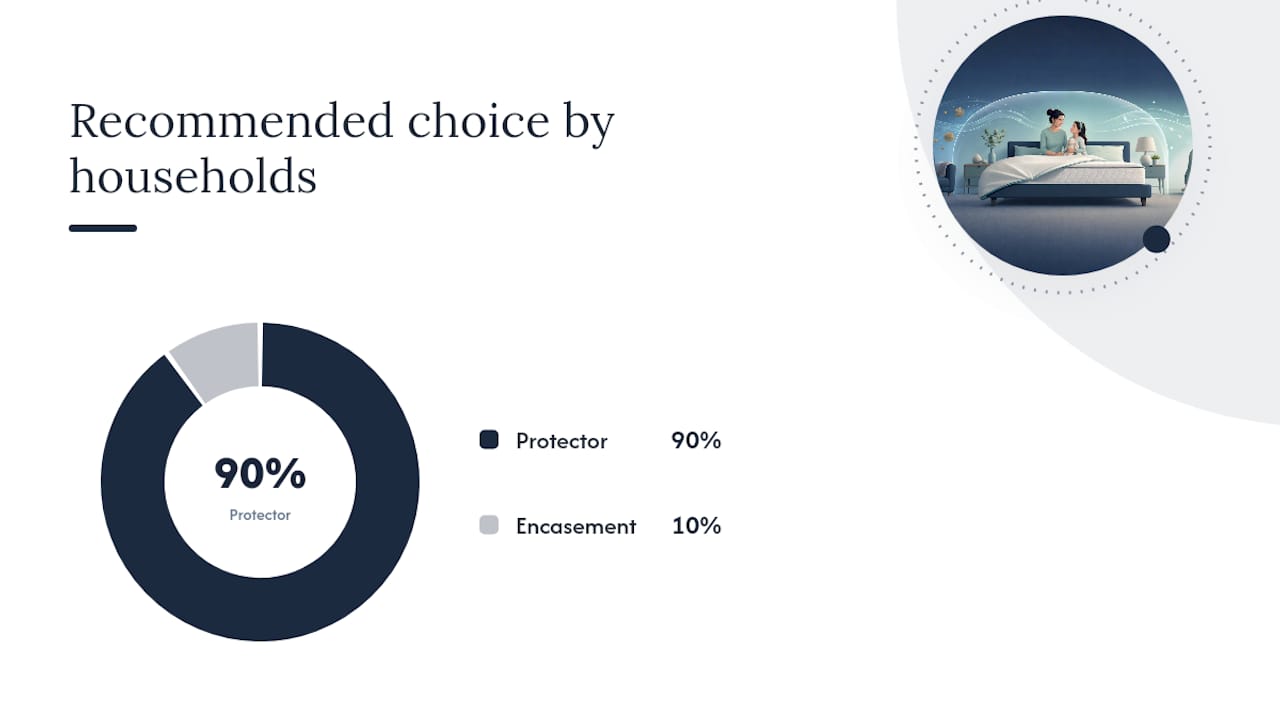
Picture two households. One has a toddler prone to nighttime accidents and wants easy weekly washing: a protector is the obvious answer. The other just finished bed bug treatment in an apartment building and needs to prevent reinfestation for a full year: only a bed-bug-rated encasement does that job. Retail-level buyer guidance from Mattress Nut backs this up, putting a quality protector as sufficient for roughly 9 out of 10 households, with encasements reserved for confirmed pest problems, shared housing, or long-term storage.
One misconception worth killing outright: a protector cannot contain bed bugs, no matter how “heavy duty” it’s marketed. And an encasement only works as pest control if it’s the right rating, properly fitted, and left sealed long enough for trapped bugs to die off without a new blood meal.
How to Choose: A Quick Buying Checklist
Start by naming your actual threat, because that decides everything else. Are you worried about spills, allergens, bed bugs, or just protecting a mattress in storage? Each answer points to a different product.
- Check the mattress depth and pocket size. Measure the mattress height, including any topper, before ordering either product.
- Confirm adjustable base compatibility. Encasements especially can bind or bunch at the head and foot if the base articulates.
- Look for the waterproof membrane weight in grams per square meter. Heavier membranes last longer but breathe less, so hot sleepers should lean toward lighter TPU weights.
- Inspect zipper construction and guard flaps. This is the single biggest predictor of encasement performance for both allergens and pests.
- Verify independent certifications, such as OEKO-TEX or GREENGUARD, especially if anyone in the home has chemical sensitivities.
- Read the wash instructions before buying, not after, since misleading “machine washable” claims on encasements are a common source of buyer complaints.
Watch for red flags: vinyl-only covers marketed for long-term use (they crack and off-gas), any encasement missing a zipper guard, vague or absent material descriptions, and wash claims that don’t match the product’s actual construction.
Pro Tip: If you’re managing both spills and allergens, layer a washable protector over the encasement. It keeps moisture and grime off the zipper and cuts down how often you need to deep clean the encasement itself.
What the Clinical Guidance and Guestlysleep Recommend
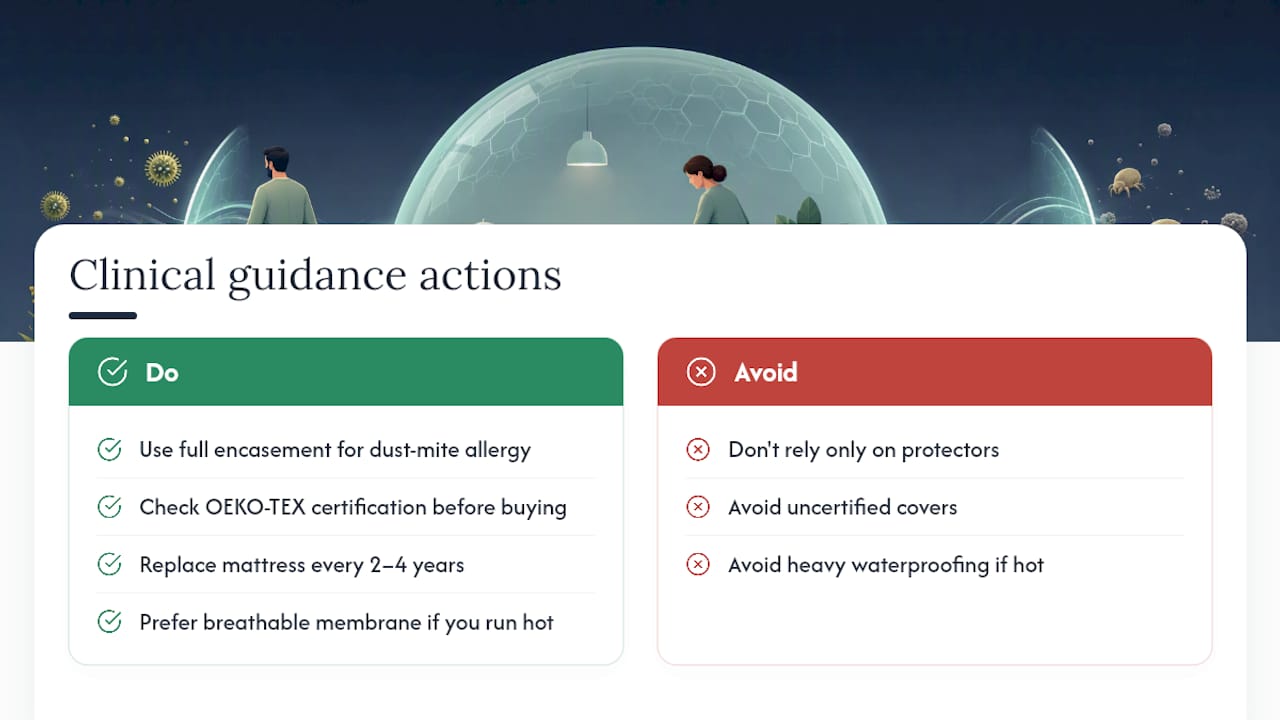
Allergy and asthma guidance is consistent on this point: full mattress encasement is a recommended environmental control for dust-mite allergy, and allergist commentary links reduced allergen exposure in bedding to fewer asthma and eczema flare-ups in sensitive people. If you’re treating a diagnosed allergy, an encasement rated for allergen control belongs on your bed, not just a protector.
Many manufacturers build fiberglass-free mattresses assembled in the United States, applying similar health-conscious principles to their mattress covers. Verify certifications like OEKO-TEX before buying any protector or encasement, replace mattresses on a two-to-four-year cadence to limit allergen buildup, and if you run hot at night, prioritize a lighter-weight breathable membrane over maximum waterproofing.
What I Tell People Who Ask Me This
Most households don’t need an encasement. A good waterproof protector handles spills and everyday grime, and that’s the end of the conversation for the majority of people who ask. I only recommend both when someone is actively managing a bed bug situation or a diagnosed dust-mite allergy alongside a habit of eating in bed. Check the warranty terms on whatever mattress you own, and if allergies are a medical concern rather than a nuisance, talk to an allergist before assuming a cover alone solves it.
— Justin
Protect Your Mattress the Right Way With Guestlysleep
Getting the cover right only matters if the mattress underneath is worth protecting. Guestlysleep sells fiberglass-free mattresses across Essential Comfort, Enhanced Comfort, and Premium Comfort collections, along with adjustable bases, solid wood bed frames, and non-toxic bedding, all made or assembled in the United States without the harmful fillers found in cheaper imports.
If your current mattress is old enough to be collecting allergens rather than fighting them, replacing it alongside a proper protector or encasement solves the problem at the source instead of just covering it up. Most everyday households do fine pairing a new mattress with a washable protector; if you’re dealing with confirmed pests or severe allergies, pick an encasement rated for that specific job before you shop for anything else. Some companies offer installation and haul-away services for a one-time fee when replacing an old mattress, which can include setup assistance. Browse the full mattress and bedding collection and take advantage of the 60-night sleep trial to find the right fit before committing.
Sources
- Pmc
- Mattress Protector vs. Mattress Encasement — Sleep Foundation
- Mattress encasements for bed bugs — Alaska Department of Environmental Conservation
- Wirecutter — best mattress and pillow protectors
FAQ
Do I need both a mattress protector and an encasement?
Most people don’t need both. Add a protector over an encasement only if you’re managing an allergy or pest issue and also want spill protection, since layering the two keeps moisture off the encasement’s zipper and reduces how often it needs cleaning.
Do mattress encasements actually work?
Yes, when they’re properly rated and fitted. Clinical guidance identifies full encasement as an effective environmental control for dust mites, and bed-bug-rated versions with reinforced zippers are recommended for pest containment specifically.
What are the downsides of a mattress protector?
Protectors only cover the top and sides, leaving the mattress bottom exposed, so they don’t stop bed bugs or fully block dust mites living deeper in the mattress. Waterproof membranes can also trap heat and make some sleepers feel warmer overnight.
What are the benefits of a mattress encasement?
An encasement seals the entire mattress, blocking dust mites already inside and preventing new pests or allergens from getting in. It’s the option clinicians recommend for people managing asthma, eczema, or diagnosed dust-mite allergies.
How much does a Guestlysleep mattress protector cost?
Current pricing for Guestlysleep’s bedding and protector options is listed on the product collection page, since pricing varies by product line and size.