

Rubber Mattress Cover for Bedwetting & Incontinence
For spills, bedwetting, or incontinence, the Guestlysleep mattress protector is the clearest recommendation for health-conscious buyers: it pairs a reliable waterproof barrier with non-toxic, certified materials that won’t off-gas into your bedroom. If you’re comparing vinyl, TPU, or laminated options, the sections below cover material trade-offs, sizing, layering, and care in that order.
Table of Contents
- What should you look for in a rubber mattress cover?
- How do rubber, vinyl, TPU, and laminated covers actually compare?
- What’s the best layering setup for bedwetting or incontinence?
- How do you clean a rubber or vinyl mattress cover safely?
- Which certifications actually matter for a non-toxic mattress cover?
- Where should you buy a rubber mattress cover in the U.S.?
- Key Takeaways
- The real trade-off most buyers don’t think about
- Guestlysleep’s non-toxic mattress protector: what you get
- Useful sources and further reading
What should you look for in a rubber mattress cover?
Not every waterproof protector is built the same, and the differences matter more than most product listings let on. Before you buy, run through this checklist.
Must-have specs:
- Waterproof backing type: TPU laminate or bonded rubberized fabric for home use; vinyl/PVC for budget or clinical settings
- Fit: confirm mattress depth (most deep-pocket protectors fit typical mattress depths; measure yours first)
- Encasement vs. fitted: encasements zip around all six sides for full protection; fitted protectors cover the top and sides only
- Warranty and return policy: look for at least a 30-day return window and a one-year warranty on the waterproof layer
- Care instructions: machine-washable is strongly preferred over wipe-only for regular bedwetting or incontinence use
Questions to ask before you click “buy”:
- Does it fully encase the mattress, or is it a top-only fitted cover?
- What is the fabric face material? A soft cotton or terry face dramatically reduces the plastic feel and noise.
- Are the materials tested non-toxic? Look for OEKO-TEX certification or third-party VOC test results on the product page.
- What sizes are available, and does the seller list pocket depth in inches?
Budget buckets and what to expect:
Budget vinyl covers (under $20) are fully waterproof and wipeable but crinkle loudly and trap heat. Mid-range laminated covers ($25–$60) use a TPU or PU backing bonded to a cotton or terry face, which cuts noise and improves breathability noticeably. Premium soft-rubber blends or natural latex-backed options ($60+) offer the best comfort profile but require more careful washing.
Pro Tip: Always layer a thin, washable absorbent pad on top of your waterproof protector. The pad catches moisture first, buffers the crinkle sound, and wicks heat away from the sleeper. You wash the pad frequently and the protector less often, which extends the protector’s life.
How do rubber, vinyl, TPU, and laminated covers actually compare?
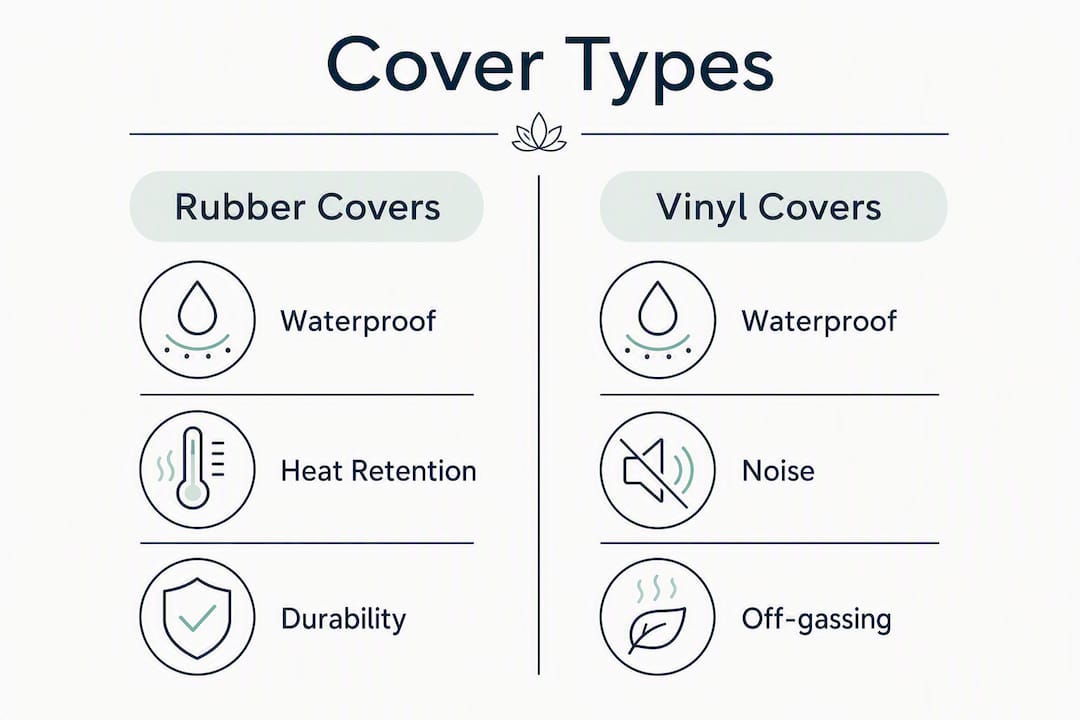
The word “rubber” on a product listing rarely means natural latex. It usually describes a variety of waterproof backings, from bonded synthetic rubber to PVC vinyl to TPU film. Knowing which material you’re actually buying changes everything about comfort, durability, and safety.
| Material | Waterproofing | Breathability | Noise/Crinkle | Typical Lifespan | Cleaning |
|---|---|---|---|---|---|
| Vinyl (PVC) | Excellent | Poor | High | 2–5 years | Wipe or gentle machine wash |
| Bonded rubber/synthetic | Excellent | Poor–Fair | Moderate | 3–6 years | Gentle machine wash; air dry |
| TPU laminate | Excellent | Fair–Good | Low–Moderate | 4 years | Machine wash; low-heat dry |
| Laminated cotton/PU | Good–Excellent | Good | Low | 3–5 years | Machine wash; low-heat dry |
| Natural latex backing | Good | Good | Low | 5 years | Spot clean or gentle hand wash |
Vinyl is the most affordable and the most waterproof, but it traps heat aggressively and produces a noticeable crinkle every time the sleeper moves. TPU laminates sit in a better middle ground: still fully waterproof, quieter, and more breathable than vinyl, which is why they dominate mid-range and premium listings. Natural latex-backed options are the softest and most breathable, but they’re also the most sensitive to heat and harsh detergents.
A fabric face changes the sleep experience more than most buyers expect. Retail listings frequently highlight “skin-friendly” or “hypoallergenic” wording when the protector uses a soft cotton or terry face over a waterproof backing. That face layer is doing real work: it buffers the plastic feel, reduces noise, and makes the protector feel closer to a normal sheet.
One more thing worth flagging: some products marketed as “rubber sheets” are craft or DIY latex fabric, not mattress protectors at all. If a listing looks like latex rubber sheet material sold for sewing or costumes, it’s a different product category entirely. Always confirm the product is designed as a mattress protector before buying.
Off-gassing is a real concern with vinyl. New PVC covers often have a chemical smell that fades over days to weeks. TPU and laminated cotton options typically off-gas far less. If you or the person sleeping on the mattress has chemical sensitivities, TPU with an OEKO-TEX-certified fabric face is the safer choice.
What’s the best layering setup for bedwetting or incontinence?
The right setup depends on how often protection is needed and how much disruption a nighttime change causes. Here are three practical configurations.
Setup 1: Light protection (occasional spills or accidents)
- Place a fitted TPU-laminated protector directly over the mattress.
- Add a standard fitted sheet on top.
- Keep a spare fitted sheet nearby for quick changes.
Wash the protector every 1–2 weeks or after any accident. This setup works well for occasional spills, light incontinence, or a child who is mostly night-trained.
Setup 2: Daily bedwetting or regular incontinence
- Start with a full encasement protector (zips around all six sides) as the base layer. This is the most important upgrade for daily use because it prevents any liquid from reaching the mattress sides or bottom.
- Add a washable absorbent pad on top of the encasement. The pad catches the bulk of moisture and is the layer you change most often.
- Lay a fitted sheet over the pad.
- Optional: add a quick-change waterproof topper (a small, flat waterproof pad) under the fitted sheet for faster nighttime changes without stripping the whole bed.
For a multi-layer approach like this, wash the absorbent pad after every accident and the encasement weekly or bi-weekly. Replace the encasement when the zipper or seams show wear; typical lifespan varies with use.
Setup 3: Clinical or heavy long-term use
- Use a hospital-style rubber or flannel/rubber protector with elastic edges as the base. These are designed for repeated washing and heavy use, with some clinical models rated as autoclavable.
- Layer a thick washable incontinence pad on top.
- Add a fitted sheet.
- Consider a disposable absorbent pad as the top layer for overnight use, replacing it each morning.
Wash the rubber base protector weekly. Replace it when the backing shows cracking or delamination. For long-term heavy use, having two protectors in rotation makes laundry cycles easier.
Encasement vs. fitted: the short answer. If liquid reaches the mattress sides or bottom even occasionally, use an encasement. If you’re protecting against top-surface spills only, a fitted protector is simpler and easier to change. The breathability benefits of a fitted cover also make it the more comfortable daily choice when full encasement isn’t strictly necessary.
How do you clean a rubber or vinyl mattress cover safely?
The single biggest mistake people make with waterproof covers is drying them on high heat. That’s what cracks vinyl, melts TPU film, and causes the waterproof backing to delaminate and peel.
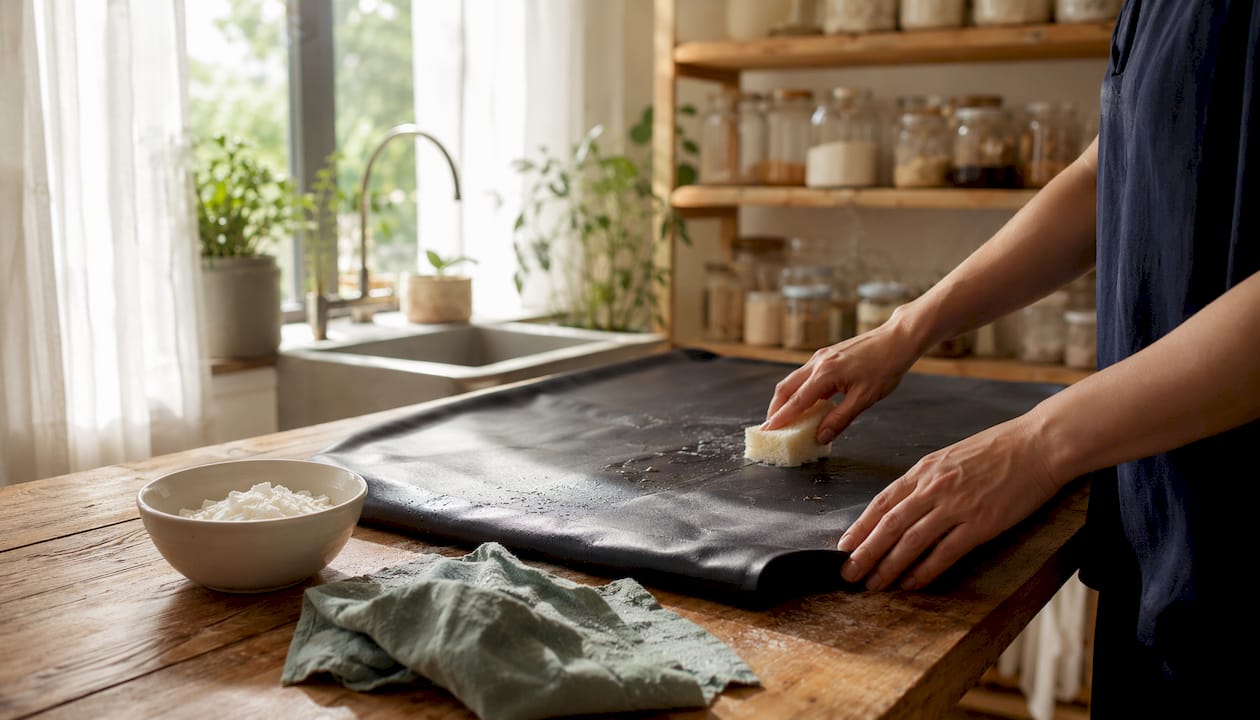
For wipeable protectors (solid vinyl or rubber sheets): wipe down with a damp cloth and a mild soap solution. Rinse with a clean damp cloth and let air dry completely before putting it back on the bed. Avoid bleach and solvent-based cleaners; they degrade the material faster than regular use does.
For machine-washable covers: use a gentle cycle with cool or warm water (never hot). A mild, fragrance-free detergent works best. Tumble dry on the lowest heat setting or, better yet,
to avoid any risk of heat damage. Never iron a waterproof cover.
Practical routine:
- Wash the absorbent pad after every accident or at least weekly.
- Wash the waterproof protector every 1–2 weeks under normal use, or immediately after a significant accident.
- For spot cleaning between washes, blot (don’t rub) with a damp cloth and mild soap, then let it air dry.
- Store a spare protector flat or loosely rolled, never folded tightly for long periods, which can crease and crack the backing.
Pro Tip: After washing, lay the protector flat or drape it over a drying rack rather than hanging it by one corner. Hanging puts stress on the seams while wet, which can cause the backing to separate from the fabric face over time. For detailed guidance on cleaning mattress covers properly, Guestlysleep has a step-by-step walkthrough.
Mildew is a real risk if a damp protector gets folded and stored. Always confirm it’s fully dry before putting it back on the mattress or into storage. The FEMA guidance on mold prevention is worth a read if you’re managing incontinence long-term: keeping moisture from sitting on any surface is the core principle.
Which certifications actually matter for a non-toxic mattress cover?
The labels on waterproof protectors range from genuinely meaningful to pure marketing. Here’s what to look for and what to skip.
Certifications worth trusting:
- OEKO-TEX Standard 100: Tests the finished product for over 100 harmful substances, including heavy metals, formaldehyde, and pesticide residues. This is the most widely recognized textile safety certification and the one most worth seeking out for a bed mattress cover used by children or people with sensitivities.
- GOTS (Global Organic Textile Standard): Applies to organic fiber content and processing. Relevant if you’re specifically seeking an organic rubber mattress or natural fiber face layer.
- Fair Trade Certified: Addresses supply chain labor conditions rather than chemical safety, but it’s a signal of a more accountable supply chain. Fair Trade certification is worth noting for buyers who care about sourcing ethics alongside material safety.
- Third-party VOC testing: Some brands publish lab reports showing low volatile organic compound emissions. Ask for the test number or report if it’s not on the product page.
What to skip:
- “Hypoallergenic” with no certification: a marketing claim with no regulatory definition in the U.S.
- “Eco-friendly” or “green” with no supporting label: meaningless without a named standard.
- “Medical grade” without an FDA registration number or clinical-use documentation.
How to verify before you buy:
- Search the product name plus “OEKO-TEX” on the OEKO-TEX public database at oeko-tex.com to confirm the certificate is real.
- Look for a certificate number on the product listing, not just a logo.
- For VOC testing, ask the seller for the lab report or test number directly.
Safety trade-off to know: fully waterproof vinyl covers offer the strongest liquid barrier but are the most likely to contain plasticizers (phthalates) and to off-gas. A laminated cotton or TPU cover with an OEKO-TEX-certified fabric face gives you solid waterproofing with a much cleaner safety profile. For a mattress cover for allergies or chemical sensitivities, that trade-off almost always favors the certified laminated option over bare vinyl.
Quick verification checklist:
- [ ] OEKO-TEX Standard 100 certificate number visible on listing
- [ ] Fabric face material named (cotton, terry, polyester blend)
- [ ] Waterproof backing type named (TPU, PU, vinyl)
- [ ] No phthalate or BPA claims, ideally with a lab report
- [ ] Care instructions listed (machine wash temperature, dryer guidance)
Where should you buy a rubber mattress cover in the U.S.?
Three main channels exist, and each comes with different trade-offs on specs, returns, and sizing accuracy.
Direct from brand: The strongest option for anyone who needs a reliable return policy or trial period. Brand sites typically list full specifications, including pocket depth in inches, backing material type, and wash instructions. Returns are usually straightforward because you’re dealing with one seller. This is where Guestlysleep’s protector lives, and it’s the channel that makes the most sense for health-conscious buyers who want to verify materials before committing.
Big-box retailers and marketplaces: Convenient and often cheaper, but listing quality varies. Vinyl fitted covers on major marketplaces typically advertise elasticized corners for a snug fit and 100% waterproof claims, but backing material and certifications are often missing from the listing. Read the Q&A section and reviews carefully; third-party sellers on marketplaces have inconsistent return policies.
Medical suppliers: Best for clinical-grade rubber or flannel/rubber protectors designed for hospital or long-term care use. These often come in non-standard sizes and may be sold in bulk. Return policies are stricter, and sizing is calibrated for institutional beds, which may not match standard consumer mattress depths.
Sizing checklist before you order:
- Measure your mattress depth (top of mattress to the bottom edge, not including the box spring).
- Note whether you have a pillow-top (add 2–3 inches to your depth measurement).
- For adjustable bases, confirm the protector is flexible enough to bend without cracking the backing.
- Check the listed pocket depth range: most standard fitted protectors fit typical mattress depths; deep-pocket versions cover deeper mattresses.
- For encasements, confirm the zipper runs the full perimeter and that the zipper stop prevents unzipping during sleep.
Sellers of fitted rubber covers list a wide range of sizes and colors with boxed corners and deep pockets for a secure fit. Still, always cross-reference the listed pocket depth against your actual mattress measurement before ordering.
Key Takeaways
A waterproof mattress protector with a non-toxic, certified fabric face and a layered absorbent pad on top is the most effective and comfortable setup for bedwetting, incontinence, or spill protection.
| Point | Details |
|---|---|
| Best single recommendation | Guestlysleep’s non-toxic protector covers waterproofing, materials safety, and a 60-night trial in one purchase. |
| Material quick rule | TPU laminate beats vinyl on breathability and noise; choose vinyl only when budget is the top priority. |
| Layering tip | Always add a washable absorbent pad over the waterproof layer to reduce heat, cut crinkle noise, and simplify nighttime changes. |
| Cleaning quick rule | Gentle cycle, cool or warm water, and low-heat or air dry; high heat permanently damages waterproof backings. |
| Certifications to check | Look for OEKO-TEX Standard 100 with a certificate number; “hypoallergenic” alone is a marketing claim, not a tested standard. |
The real trade-off most buyers don’t think about
Most articles on waterproof mattress covers treat the choice as a simple binary: maximum waterproofing or maximum comfort. The reality is more interesting than that.
Absolute waterproofing, the kind you get from a heavy vinyl or rubber sheet, is genuinely useful in clinical settings or for severe incontinence. But for most home users, that level of protection comes at a real cost: heat buildup, noise, and a sleep surface that feels nothing like a normal bed. Over time, those discomforts lead people to remove the protector entirely, which defeats the purpose.
The smarter approach is layered protection with a softer, certified outer layer. A TPU-laminated cover with an OEKO-TEX-certified cotton face handles the vast majority of home bedwetting and incontinence scenarios without the heat trap or crinkle. The absorbent pad on top does the heavy lifting for moisture management. You get protection that’s actually used every night, which matters more than theoretical maximum waterproofing that gets pulled off by week two.
On durability: expect a quality TPU or laminated protector to last 3–5 years with regular washing. Vinyl lasts longer in raw terms but degrades faster under frequent machine washing. If you’re replacing a mattress on a 2–4 year cycle anyway, as Guestlysleep recommends for hygiene reasons, aligning your protector replacement with your mattress replacement schedule makes practical sense.
Guestlysleep’s non-toxic mattress protector: what you get
Skipping the vinyl and going straight to a non-toxic, certified protector is the practical move for anyone managing bedwetting or incontinence at home. Guestlysleep’s mattress protector is built around that premise: a waterproof barrier using materials tested for harmful substances, compatible with the layered absorbent pad approach covered in this article, and sized to fit standard and deep-pocket mattresses.
At checkout, you get free shipping, a 60-night sleep trial, and a warranty on the waterproof layer. If the fit isn’t right or the protector doesn’t perform as expected, the return process is handled directly. No marketplace middleman, no ambiguous return window. For buyers who’ve already spent time reading certifications and material specs, buying direct from a brand that publishes that information is the logical next step. Browse the Guestlysleep mattress protector and check sizing against your mattress depth before ordering.
Useful sources and further reading
- Mabis Healthcare Flannel/Rubber Waterproof Mattress Cover — Wholesale Point: Product page for a clinical-grade flannel/rubber protector; useful for understanding autoclavable and machine-washable specs.
- Plastic Mattress Protector, Twin XL Fitted Vinyl — Walmart: Representative retail listing for budget vinyl covers; shows typical elasticized-corner design and waterproof claims.
- Fitted Rubber Mattress Cover — RubberRevashop: Sizing and color options for fitted rubber covers; good reference for deep-pocket and boxed-corner specs.
- Rubber Mattress Protector Sheet — AncientAmerica: Hospital and baby bed rubber protector; illustrates full-coverage elastic-edge design for heavy-duty use.
- Latex Rubber Sheet — VKDN: Craft/DIY latex sheet listing; useful for understanding why “rubber” covers a wide range of materials and why buyers should verify product category.
- How to Launder a Mattress Protector — YouTube: Short video on safe washing and drying steps for waterproof covers; covers low-heat drying guidance.
- FEMA Mold Prevention Brochure: Primary source on moisture and mold prevention; relevant for long-term incontinence management and keeping bedding dry.
- Fair Trade Certified: Background on Fair Trade certification standards; relevant for buyers who prioritize ethical sourcing alongside material safety.
- Why Mattress Covers Matter for Safety and Health — Guestlysleep: Guestlysleep’s overview of hygiene and health reasons for using a mattress cover.
- How to Clean a Mattress Cover Properly — Guestlysleep: Step-by-step washing and care guide from Guestlysleep for all cover types.
- 9 Breathable Mattress Cover Benefits — Guestlysleep: Covers the comfort and health benefits of breathable protectors; useful for understanding the breathability trade-off in more depth.
- Upholstery Cleaning Tricks and Tips — iCleanse: Practical cleaning procedures for rubber-backed fabrics; relevant to maintaining waterproof covers between washes.