

Can You Put a Mattress on the Floor? What to Know First
Yes, you can put a mattress on the floor, but only as a short-term or conditional setup, not a permanent one. It works fine for a few weeks in a dry, well-ventilated room with a foam or hybrid mattress you’re willing to inspect often. It works poorly in a basement, a humid climate, or under a manufacturer’s warranty you actually want to keep. Before you decide, run through three quick checks:
- Mattress material: dense memory foam and hybrids trap heat and moisture; innerspring and floor-specific pads handle it better.
- Room conditions: check humidity and airflow. A stuffy, carpeted bedroom is the worst combination.
- Warranty terms: most brands require a supportive foundation, and skipping one can void coverage. Guestlysleep’s adjustable base compatibility guide walks through what counts as approved support.
Key Takeaways
Floor placement can save money and firm up a mattress, but it raises mold risk within weeks and often voids the warranty that protects your purchase.
| Point | Details |
|---|---|
| Short-term use only | Treat floor placement as temporary; long-term use raises mold, allergen, and wear risks. |
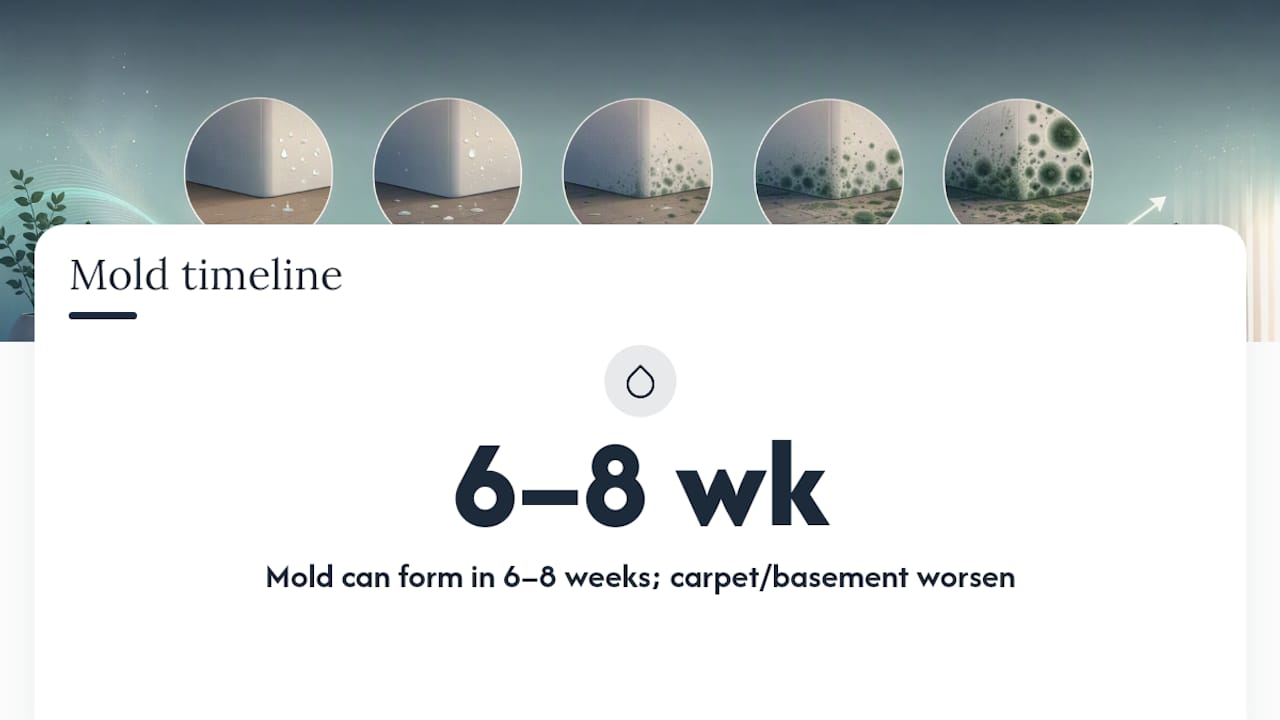
| Mold timeline is fast | Humid rooms can grow mold on a mattress underside in six to eight weeks without airflow. |
| Warranty check comes first | Most warranties require an approved foundation; floor placement can void sagging or defect coverage. |
| Material matters most | Memory foam and hybrids trap moisture; innerspring and floor-specific pads handle bare floors better. |
| Guestlysleep offers a safer middle ground | Low-profile platforms, protectors, and a 60-night trial deliver the look without the mold or warranty risk. |
Table of Contents
- Practical Pros and Cons of a Floor Mattress
- How Moisture, Mold, and Allergens Behave on the Floor
- Which Mattresses Handle Floor Placement Best
- Warranty Risk and What Manufacturers Actually Require
- How to Put a Mattress on the Floor Safely
- A Safer Way to Get the Low-Profile Look
- The Real Tradeoff Nobody Says Out Loud
- A Practical Next Step If You’re Rethinking Your Setup
- Sources
Practical Pros and Cons of a Floor Mattress
The floor-mattress trend isn’t irrational. It solves real problems, it just creates a few new ones in exchange.
Here’s what people actually gain:
- Lower cost. Skipping a frame or foundation saves anywhere from $50 to several hundred dollars, depending on what you’d otherwise buy.
- Firmer feel. A soft mattress sitting on a hard, flat surface loses some of its give, which can temporarily suit back or stomach sleepers who want less sink.
- Low-profile look. Floor beds fit minimalist or Japanese-inspired bedroom styles that a bulky frame would clash with.
- Cooler sleep in some rooms. On hardwood or tile, a mattress can actually run cooler than one raised on a frame with limited airflow, according to comparisons from Tom’s Guide.
And here’s where it costs you:
- Higher risk of mold, mildew, and dust accumulation underneath.
- A likely voided warranty if your mattress requires a listed foundation type.
- Harder to get in and out of bed, especially for older adults or anyone with joint or mobility limitations.
- Faster wear on the mattress edges and cover fabric from floor contact and cleaning friction.
Side sleepers and people with allergies tend to do worse on the floor. Back sleepers on a firm foam mattress, and renters who move often, tend to do better.
How Moisture, Mold, and Allergens Behave on the Floor
A mattress on a frame gets air moving underneath it. A mattress on the floor has much less airflow, creating risk for moisture accumulation.
In humid rooms, mold can start forming on the mattress underside in six to eight weeks without a change in airflow, according to guidance summarized in the NCBI Bookshelf’s review of indoor environmental quality. Basements, ground-floor bedrooms, and coastal climates accelerate that timeline. Carpeted floors make it worse by holding moisture against the mattress base longer than hardwood or tile does.
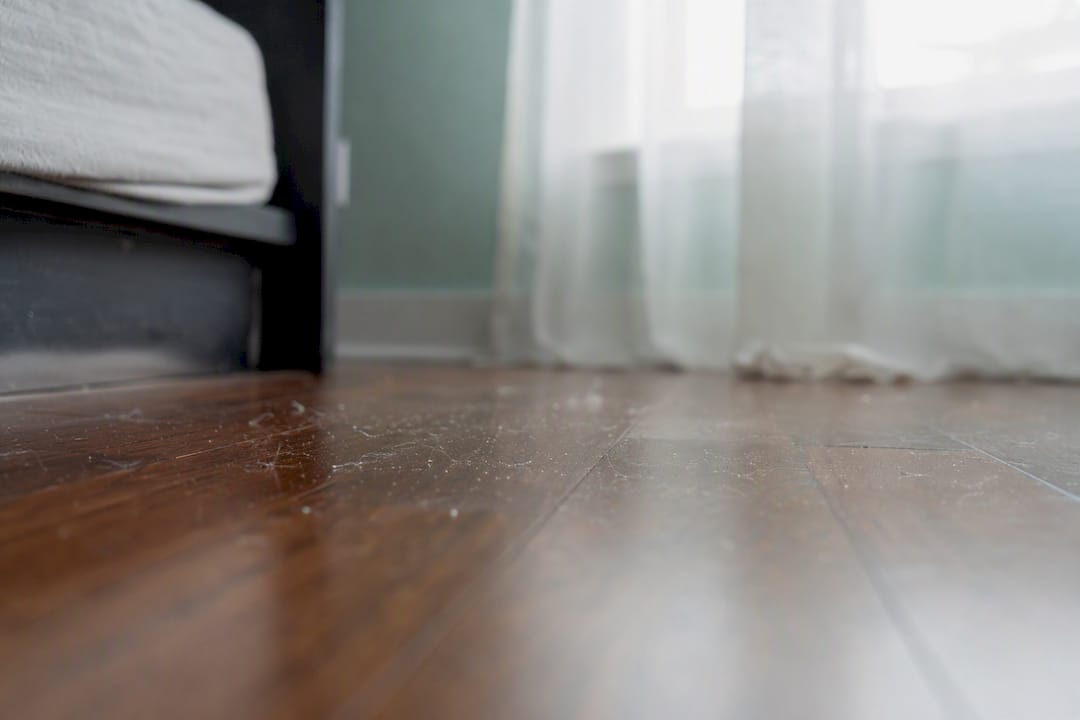
Floor level also puts your mattress closer to dust, pet dander, and dust mites, all of which settle lower in a room than they do at bed-frame height. For anyone managing asthma or seasonal allergies, that proximity matters more than most people expect.
There are legitimate exceptions. Some clinicians recommend floor sleeping for patients with seizure disorders, to reduce fall injury risk, according to University of Michigan Medicine. If a medical condition is driving the decision, talk to your provider before committing to a setup, not after.
Which Mattresses Handle Floor Placement Best
Not every mattress reacts to the floor the same way. Construction matters as much as room conditions.
Memory foam and hybrid mattresses tend to retain heat and trap moisture, which increases risk when placed on the floor. Guestlysleep’s guide to foam heat retention covers why foam behaves this way even off the floor.
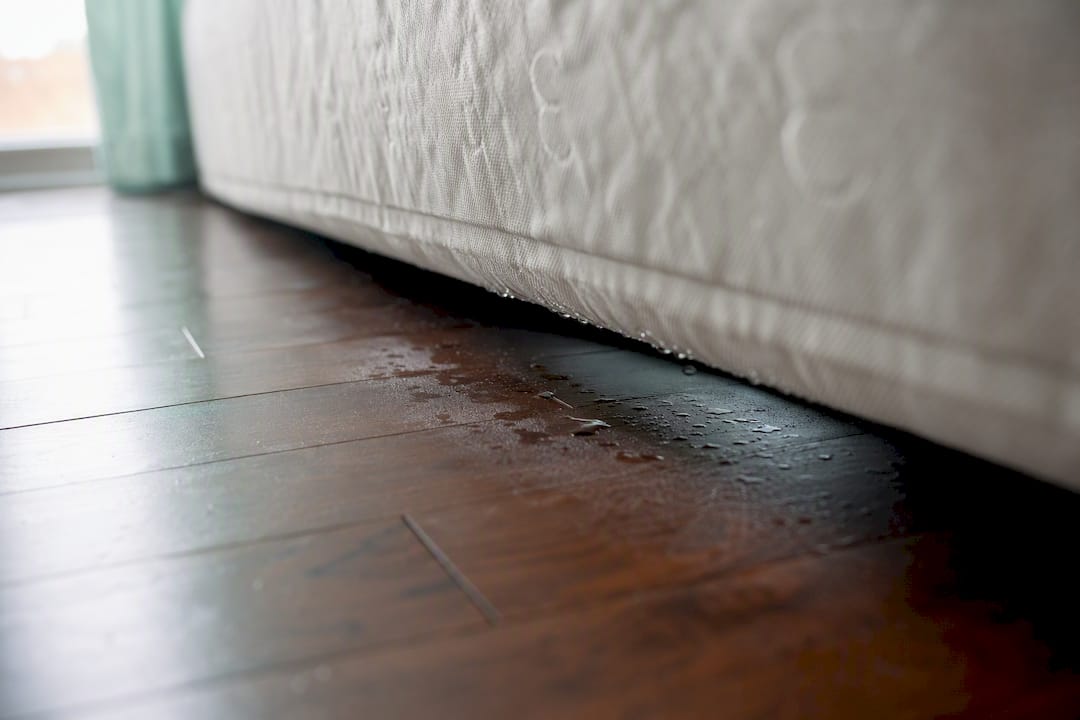
Innerspring mattresses, thin foldable futons, and roll-up guest pads tolerate floor placement much better. Their open coil structure or minimal thickness gives moisture somewhere to go instead of pooling against the fabric.
Sleep position changes the calculation too:
- Back and stomach sleepers often adjust fine to the firmer feel a hard floor creates underneath a mattress.
- Side sleepers usually lose pressure relief at the hips and shoulders when a mattress firms up this way, according to SleepDoctor.
Pro Tip: If you’re testing floor sleeping to see whether a firmer surface helps your back, try a slatted platform or bunkie board first. You get the firmness without gambling on mold.
Warranty Risk and What Manufacturers Actually Require
Read your warranty before you read another buying guide. Most mattress warranties, including many industry-standard ones, specify a supportive foundation, platform, or bed frame as a condition of coverage, and placing the mattress directly on the floor can void protection against sagging, indentations, or structural defects, per SleepDoctor’s warranty research.
Three things protect you here:
- Find the exact clause. Search your warranty document for “foundation,” “support,” or “approved surface,” and quote it back to customer support if you’re unsure.
- Photograph your setup. Before and after placing the mattress on the floor, in case you ever need to dispute a claim.
- Ask before you assume. A quick email to the manufacturer beats discovering the answer after your mattress sags.
Floor placement without airflow can also shorten a mattress’s usable life, increasing the chance it will need replacement sooner than usual.
How to Put a Mattress on the Floor Safely
If you’re doing this anyway, sequence matters. These steps address the biggest risks first.
- Choose the right surface. Finished hardwood or tile is safer than carpet. Add a breathable bunkie board or slatted pallet underneath instead of laying the mattress bare, a compromise recommended by the Sleep Foundation. Skip plastic sheeting entirely as it traps moisture instead of releasing it.
- Air it out weekly. Prop the mattress upright for two to four hours once a week to let trapped moisture escape.
- Check the underside monthly. Look for musty smells, dark spots, or dampness. Catching mold early is far easier than replacing a ruined mattress.
- Control humidity. Keep the room under 50% relative humidity with a dehumidifier if needed, especially in basements or ground-floor rooms.
- Add protection. A breathable mattress protector and a moisture-wicking topper add comfort and a layer of defense against spills and sweat.
- Think about mobility. Low risers or a slim platform make getting up easier for anyone with knee or hip issues, without sacrificing the low-profile look.
Pro Tip: Even a two-inch bunkie board solves most of the airflow problem while keeping the aesthetic nearly identical to a true floor bed.
If cleaning routines and indoor air quality are already a concern in your home, this guide to improving indoor air quality around carpet is worth a look before you commit to floor placement in a carpeted room.
A Safer Way to Get the Low-Profile Look
Guestly Sleep sells fiberglass-free, non-toxic mattresses in the United States and recommends replacing any mattress every two to four years regardless of how it’s supported. That replacement guidance matters more, not less, if you’re placing a mattress directly on the floor, since moisture exposure tends to shorten a mattress’s usable life.
For readers who want the floor-bed look without the mold and warranty tradeoffs:
- Low-profile platform options preserve airflow while keeping the silhouette close to the ground.
- Breathable mattress protectors add a defense layer against spills, sweat, and allergens.
- A 60-night trial lets you test a firmer feel risk-free instead of guessing whether floor sleeping suits you.
- Guestly Sleep’s best foundation for hybrid mattress support page details what actually counts as warranty-approved support.
The Real Tradeoff Nobody Says Out Loud
Most advice on this topic treats mold risk and warranty risk as separate conversations. They aren’t. A voided warranty only becomes expensive when the mattress fails, and moisture exposure is exactly what makes mattresses fail early. Ignore one and you’ve made the other more likely.
The conventional wisdom oversells the firmness benefit, too. A harder sleeping surface can help some people temporarily, but there’s no solid evidence it beats a properly supported medium-firm mattress for chronic back pain, and it can just as easily make things worse for someone who needs cushioning. Floor sleeping isn’t a health upgrade. It’s a tradeoff, and a situational one at that.
If you take one thing from this, prioritize the warranty check before the airflow steps. A dehumidifier is a $30 fix. A voided warranty on a mattress you paid $800 for is not. Read the fine print first, then decide whether floor placement is worth the maintenance it demands.
A Practical Next Step If You’re Rethinking Your Setup
Guestly Sleep gives you a way to get a firmer, low-to-the-floor feel without betting on mold or losing warranty coverage. Instead of laying a moisture-trapping foam mattress directly on hardwood or carpet, you get low-profile platform options built to keep air moving underneath, paired with fiberglass-free mattresses made in the USA.
That matters most for anyone who read this far and realized their current mattress is a memory foam or hybrid, exactly the construction most prone to trapping heat and moisture on bare floors. Guestlysleep’s 60-night sleep trial lets you test a firmer setup at home before committing, with no warranty gymnastics required. Browse the full mattress and accessory lineup and check which foundation keeps your coverage intact before your next mattress purchase.
Sources
- Should a mattress be placed on the floor? | SleepDoctor
- Should mattresses be placed directly on the floor? | Sleep Foundation
- Indoor Environmental Quality and Health | NCBI Bookshelf
This article is general information, not a substitute for advice from a qualified doctor. Consult a qualified healthcare professional about your own circumstances before acting on anything here.