

Mattress Age and Sleep Quality: What You Need to Know
Your mattress age directly determines your sleep quality because materials break down over time, stripping away the support and comfort your body needs for restorative rest. The mattress age sleep quality connection is well documented: a controlled study found that replacing a mattress averaging 9.5 years old with a new medium-firm model reduced back pain by 57% and improved sleep quality by 60% within just four weeks. That single finding reframes the mattress as a health tool, not just a piece of furniture. The general industry guideline, endorsed by sleep experts, recommends replacing mattresses every 6–8 years. Guestly Sleep goes further, recommending replacement every 2–4 years for the cleanest, healthiest sleep environment possible.
1. What signs indicate your old mattress is harming your sleep?
Mattress wear rarely announces itself loudly. Most people adapt to declining comfort so gradually that they stop connecting their morning aches to what they slept on. Knowing the specific warning signs breaks that cycle.
The clearest physical signs of a mattress past its prime include:
- Morning back, hip, or shoulder pain that fades within 30 minutes of getting up. Pain that resolves after rising points directly to your sleep surface, not a chronic injury.
- Visible sagging or body impressions deeper than 1 inch. Comfort layers collapse faster than support cores, and body impressions over 1 inch signal real performance loss even when the mattress looks structurally intact.
- Increased partner disturbance. A worn mattress transfers motion more easily because its materials have lost density and resilience.
- Worsening allergies or asthma symptoms. Older mattresses accumulate dust mites, mold spores, and allergens that degrade air quality around your sleep surface.
- Audible creaking or squeaking from springs or the foundation, which signals structural breakdown.
- You sleep better away from home. Two nights on a hotel or guest bed that leave you feeling more rested is a reliable signal your mattress is the problem.
- Noticeable lumps or uneven surface texture that you can feel through your sheets.
- Persistent fatigue despite a full night’s sleep, which points to fragmented, low-quality sleep caused by poor support.
Pro Tip: Take a photo of your mattress surface from the side in natural light. Sagging that is invisible when you are lying on it becomes obvious in a photograph.
If three or more of these signs apply to you, your mattress is almost certainly affecting your sleep health in ways you may not fully recognize yet.

2. How mattress materials define lifespan and sleep health
Mattress age alone is not the right measure of when to replace. Material type determines how fast a mattress degrades and how long it continues to support healthy sleep.
| Material Type | Typical Lifespan | Key Weakness |
|---|---|---|
| Entry-level polyfoam | 1–3 years | Compresses quickly under body weight |
| Innerspring | 5–6 years | Coils lose tension; comfort layer thins |
| Memory foam (mid-grade) | 4–5 years | Heat retention and slow softening |
| Natural latex | 6–7 years | Higher upfront cost; maintains shape well |
Material quality dictates replacement timing more than the calendar year you bought the mattress. A budget polyfoam mattress can lose meaningful support in under five years, while a quality natural latex mattress may still perform well past a decade.
Higher-quality materials delay degradation but do not prevent it. Even the best mattress eventually softens in the zones where your body places the most pressure, typically the hips and shoulders. That softening shifts your spine out of neutral alignment, which is where sleep-related pain begins.
Guestlysleep builds its mattresses without fiberglass or harmful fillers, using certified American-made materials. That matters because mattress materials directly affect breathing and sleep health, and off-gassing from low-quality foams adds a chemical burden that compounds over years of nightly use.
Pro Tip: Rotating your mattress 180 degrees every three to six months distributes wear more evenly and can extend useful life. Rotation does not reverse existing wear, but it slows the rate of new compression.
3. Why gradual mattress wear harms sleep without you noticing
The most dangerous aspect of mattress aging is how slowly it happens. Your body adapts to incremental changes in support, so you rarely notice the decline until you sleep somewhere else and feel the contrast.
A mattress typically moves through three distinct stages of wear:
- Break-in period (months 1–12). New materials compress slightly and conform to your body. Sleep quality often improves during this phase as the mattress adjusts.
- Noticeable softening (years 2–6). Comfort layers begin to compress under regular use. You may notice minor stiffness in the morning but attribute it to stress or posture.
- Significant support loss (years 7 and beyond). A mattress often loses firmness significantly between years 7 and 10, compromising spinal alignment and causing consistent morning aches.
Sleeping on a degraded mattress leads to fragmented sleep and elevated physiological stress markers. The same study that documented a 57% reduction in back pain also found a 48% drop in stress hormones after mattress replacement. That means your old mattress is not just making you sore. It is keeping your nervous system in a low-grade stress state through the night.
The adaptation effect is real and well documented. Consumers often adapt to declining mattress comfort, masking the problem until the damage to sleep quality is significant. Recognizing this pattern is the first step toward making a proactive decision rather than a reactive one.
4. How to evaluate your mattress condition and decide when to replace
Practical assessment beats guesswork. A few simple tests give you a clear picture of where your mattress stands.
The sag test. Place a straight edge, like a yardstick or a long level, across the surface of your mattress. Any depression greater than 1 inch in the areas where you sleep indicates that comfort layers have collapsed past the point of adequate support.
The away-from-home test. Sleep on a hotel bed or a guest mattress for two nights. If you wake up with noticeably less pain and more energy, sleeping better away from home confirms your mattress is the source of your sleep problems. This is the most reliable self-diagnostic test available.
The warranty check. Warranties cover manufacturing defects, not comfort loss. A mattress can fail you years before its warranty expires. Do not use warranty status as a proxy for mattress fitness.
The body change check. Weight fluctuations or new medical conditions can make a previously suitable mattress inadequate regardless of its age. A mattress that worked well five years ago may not match your current body’s needs. Pregnancy, significant weight gain or loss, or a new back condition all warrant a fresh mattress evaluation.
Pro Tip: If you share a bed, assess both sides independently. One partner’s side often wears faster based on body weight and sleep position. A mattress that still works for one person may be failing the other.
Additional factors to check:
- Foundation condition. A sagging or broken box spring transfers its problems directly to your mattress and accelerates wear.
- Pillow age. A worn pillow compounds neck strain even on a good mattress, so evaluate both together.
- Sleep position changes. Switching from back sleeping to side sleeping changes which zones of the mattress carry the most load.
The goal of replacing your mattress at the right time is not to follow a rigid schedule. It is to stay ahead of the point where degradation starts costing you sleep quality and physical health.
Key Takeaways
Replacing a mattress before support loss becomes severe is the single most effective step you can take to protect your sleep quality and reduce chronic morning pain.
| Point | Details |
|---|---|
| Age is not the only signal | Monitor performance signs like morning pain and visible sagging, not just the calendar year. |
| Material type sets the timeline | Natural latex lasts 6–7 years; entry-level polyfoam may fail in 1–3 years. |
| Gradual wear masks sleep loss | Your body adapts to declining support, so sleep quality drops before you consciously notice it. |
| The away test works | Two nights on a different bed is the most reliable way to confirm your mattress is the problem. |
| Body changes reset the clock | Weight shifts or new health conditions require a mattress re-evaluation regardless of mattress age. |
What I have learned from watching people ignore their mattresses
People consistently underestimate how much their mattress shapes their daily energy, mood, and pain levels. I have seen adults spend years managing chronic lower back pain with stretching routines and pain relievers, never once questioning the surface they spend a third of their life on.
The most common misconception I encounter is that a mattress needs to be visibly broken before it needs replacing. That is simply wrong. Comfort layers collapse quietly and gradually. By the time sagging is obvious to the naked eye, the mattress has likely been undermining sleep quality for a year or more.
The second misconception is that price equals durability. A high-priced mattress from a premium brand can fail just as quickly as an affordable one if the material construction is poor. What matters is the quality of the specific foams, coils, or latex used, not the marketing tier the product sits in.
My honest recommendation: trust your body over the calendar. If you wake up stiff three or more mornings a week, and that stiffness eases within an hour of getting up, your mattress is the most likely cause. Do not wait for the mattress to collapse. Replace it while you still have the energy to notice the difference.
Guestly Sleep fiberglass-free mattresses for healthier sleep
Choosing a mattress that maintains its support over time starts with what it is made of. Guestlysleep builds every mattress in the United States using certified, fiberglass-free materials that avoid the harmful fillers common in budget sleep products.
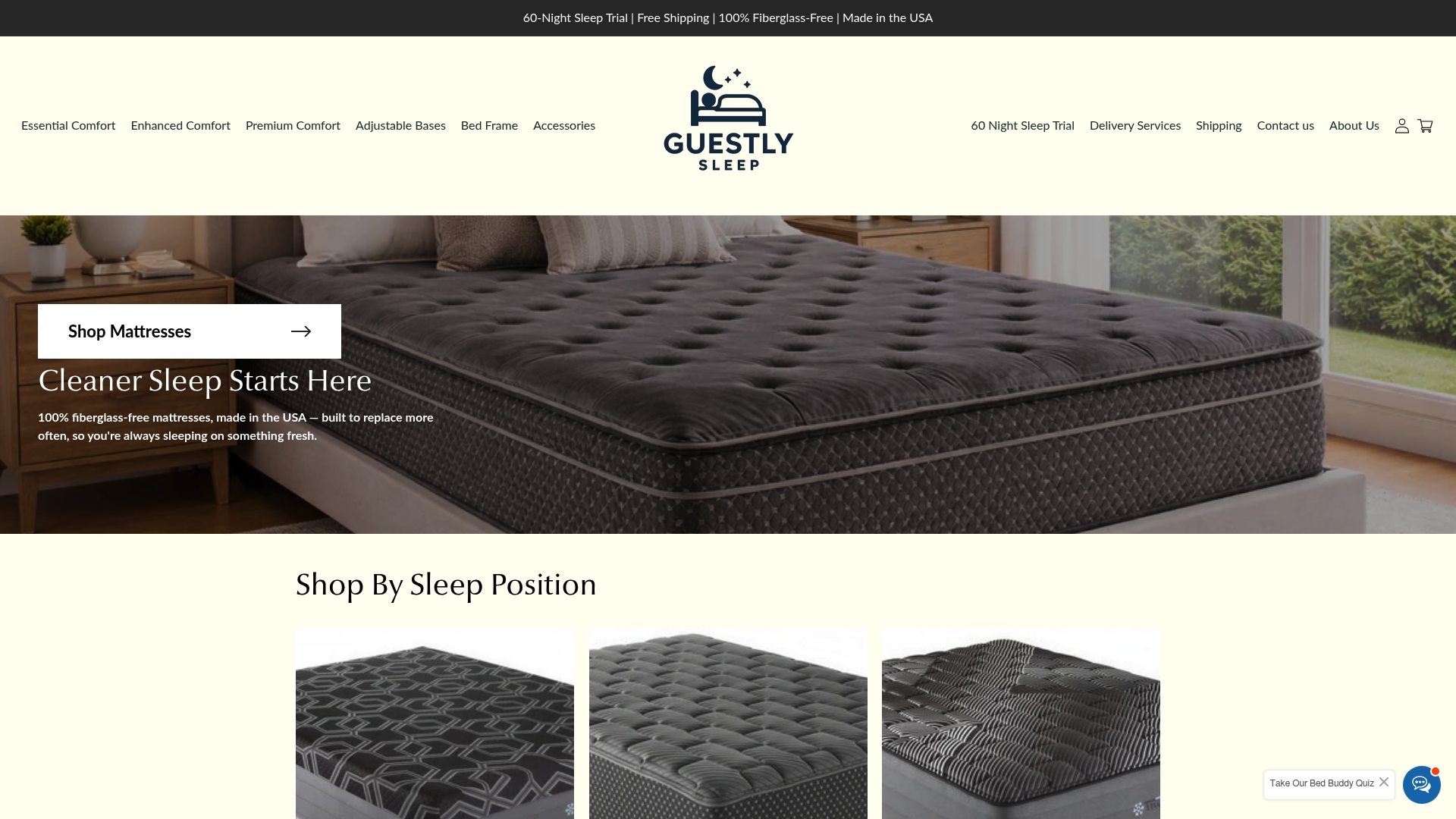
Every Guestly Sleep mattress ships free and comes with a 60-night sleep trial, so you can test it in your own bedroom before committing. The product range covers side, back, and stomach sleepers across Essential Comfort, Enhanced Comfort, and Premium Comfort tiers. If your current mattress is showing signs of wear, or if you simply want a cleaner, safer sleep surface, explore fiberglass-free mattresses at Guestly Sleep and find the option that fits your sleep position and budget.
FAQ
How often should you replace your mattress?
The general industry guideline recommends replacing a mattress every 6–8 years. Guestlysleep recommends replacement every 2–4 years for a consistently clean and supportive sleep environment.
What is the most reliable sign that a mattress needs replacing?
Body impressions deeper than 1 inch and consistent morning pain that fades within 30 minutes of rising are the clearest indicators. Sleeping better on a hotel or guest bed for two nights confirms the diagnosis.
Does mattress age affect back pain?
A controlled study found that replacing a mattress averaging 9.5 years old reduced back pain by 57% within four weeks. Gradual support loss from aging materials is a direct cause of sleep-related back and hip pain.
Can a good mattress foundation extend mattress life?
A solid, undamaged foundation distributes weight evenly and slows wear on the mattress above it. A sagging or broken foundation accelerates mattress degradation regardless of mattress quality.
Does body weight change affect when you should replace a mattress?
Weight fluctuations and new medical conditions can make a previously suitable mattress inadequate independent of its age. A mattress that supported you well five years ago may no longer match your current body’s needs.