

What Mattress Trials Actually Protect You From
A mattress trial is a contractual risk-reversal: it lets you sleep on the bed at home and get a refund or exchange within the trial window if it’s not right. That single mechanism is what separates buying a mattress online from buying one blind.
Here’s what a solid trial actually protects:
- The right to test the mattress under real sleep conditions, not a five-minute showroom lie-down
- A refund or exchange simply because you don’t like it, no defect required
- Pickup, donation, or return shipping handled by the brand instead of you
None of that protection is automatic. It’s governed by terms, timing, and condition rules written into the policy, and those specifics decide whether your trial is a genuine safety net or a marketing line with an asterisk.
Key Takeaways
Mattress trials protect buyers by converting an irreversible purchase into a reversible one, but only within the specific terms, timing, and condition rules the brand sets.
| Point | Details |
|---|---|
| Trials and warranties differ | Trials cover preference-based returns; warranties cover defects on a separate, longer timeline. |
| Length isn’t the whole story | Trials commonly run 30 to 365 nights, but fees and exclusions matter more than the number of nights. |
| Break-in periods are normal | A roughly 30-night wait before returns are eligible lets the mattress soften before you judge it fairly. |
| Documentation preserves rights | Screenshot terms at checkout and photograph the mattress on delivery day to protect your refund. |
| Guestly Sleep models the practice | Its 60-night trial, free shipping, and published return-process guides reflect the transparency buyers should look for anywhere. |
Table of Contents
- Ways Mattress Trials Protect Buyers Through Contract Mechanics
- What a Mattress Trial Actually Gets You (A Practical Breakdown)
- Where Trial Protections Break Down: Fees, Fine Print, and Exclusions
- How to Use Your Trial Without Losing Your Refund Rights
- What a Transparent Trial Policy Looks Like in Practice
- The Fine Print Matters More Than the Headline Number
- Why Guestlysleep’s Trial Is Built for Buyers, Not Against Them
- Sources
- FAQ
Ways Mattress Trials Protect Buyers Through Contract Mechanics
A trial period is a preference clause. It has nothing to do with manufacturing defects, and that distinction is the first thing most buyers get wrong. A warranty covers sagging, broken coils, or seam failures over years. A trial covers “I hate how this feels” for a matter of weeks or months, no explanation required.
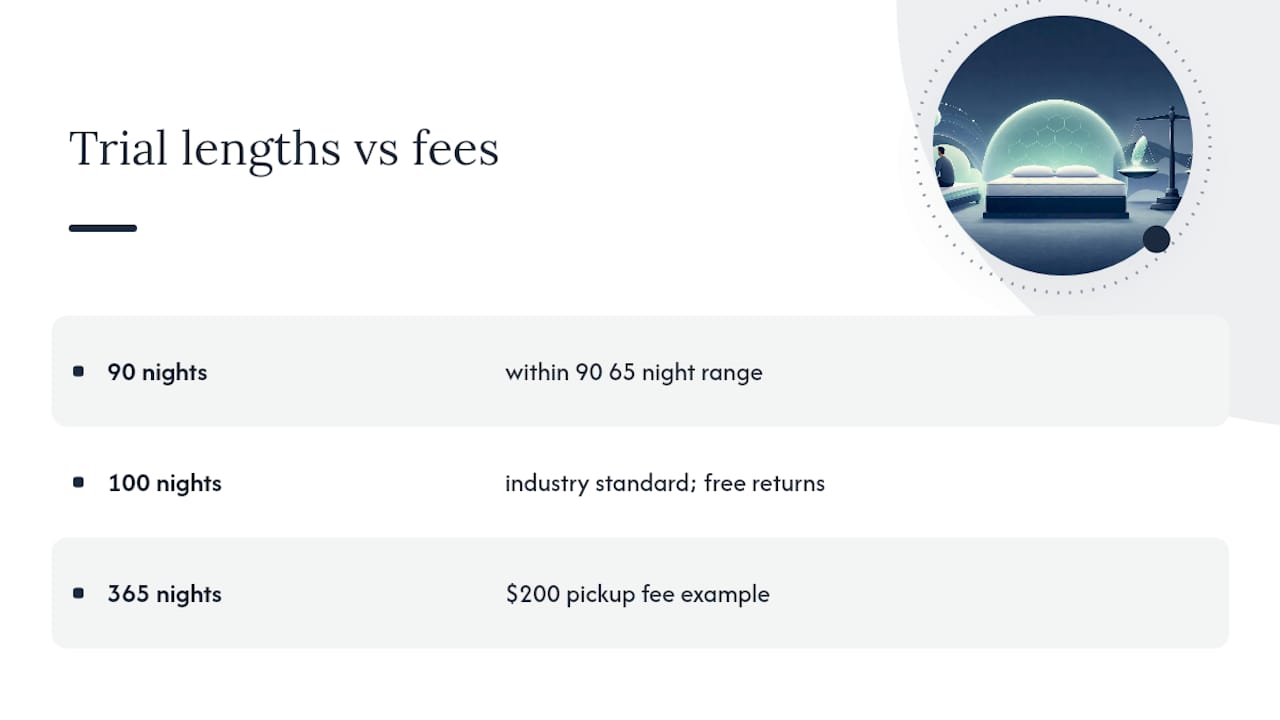
Trial length varies more than most shoppers expect. Reputable online mattress brands in the United States typically run trials between 30 and 365 nights, with 100 nights functioning as something of an industry standard. That range matters because length alone tells you almost nothing about how protective a policy is. A 365-night trial with a $200 pickup fee can leave you worse off than a 100-night trial with free returns.
Trials exist because online mattress brands eliminated the one thing physical stores offered: the ability to lie on the bed before paying. A generous trial replaces that experience and shifts the risk of a bad fit from your wallet to the brand’s logistics team. Some brands lean on trial length as a selling point specifically because it’s an easy number to advertise, even when 100 nights is generally enough to know whether a mattress works for you. Longer isn’t always more protective. It’s just longer.
Quick fact: Trials and warranties run on separate clocks and cover separate problems. Once your trial window closes, any issue you find gets handled as a warranty claim, not a return, and warranty terms are typically far stricter about what qualifies.
What a Mattress Trial Actually Gets You (A Practical Breakdown)
Strip away the marketing copy and a trial delivers four concrete protections. Here’s what each one actually looks like in practice.
- Home-use testing across real conditions. You get to sleep on the mattress in your own bedroom, on your own frame, through different seasons and sleep positions, which a showroom test can never replicate.
- Preference-based refunds. If the mattress is too firm, too hot, or just wrong for your body, most brands will refund you without requiring proof of a defect.
- Brand-handled logistics. Reputable companies coordinate pickup, donation, or return shipping themselves, so you’re not stuck hauling a queen mattress to a drop-off point.
- Exchange flexibility. Many brands let you swap firmness levels or models instead of processing a full return, which is often faster and less of a hassle for everyone involved.
That last point deserves more attention than it usually gets. An exchange keeps your money inside the same transaction and skips the refund-processing delay entirely. If you’re on the fence between medium and medium-firm, ask about an exchange before you request a return.
Pro Tip: If your mattress feels close but not quite right, call the brand before initiating a formal return. Many companies will offer a one-time swap to a different firmness at little or no extra cost, which solves the actual problem faster than starting over from scratch.
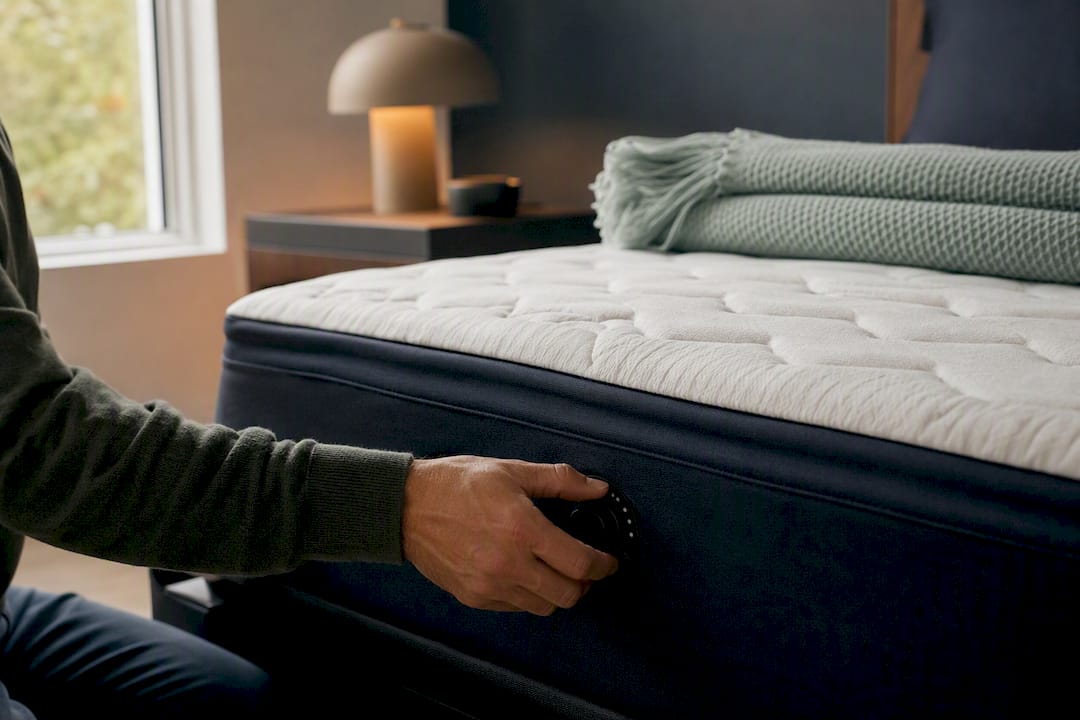
The financial protection matters more than it might seem. A mattress is one of the few purchases where you’re committing several hundred to several thousand dollars based on how something feels, which you genuinely cannot know until you’ve slept on it for weeks. A trial converts that gamble into a reversible decision, which is precisely why it functions as risk-reversal instead of just a nice perk.
Where Trial Protections Break Down: Fees, Fine Print, and Exclusions
The fine print is where most mattress trial complaints originate. Break-in periods, pickup fees, and condition requirements are consistently the sources of unexpected costs and denied refunds, and none of them are hidden exactly. They’re just easy to skip past at checkout.
Watch for these four categories before you buy:
- Break-in periods. A roughly 30-night waiting period before you’re eligible to return is common, and it exists because new foam mattresses often need time to soften and decompress before they represent how the bed will actually feel long term.
- Pickup or restocking fees. Some brands offering 365-night trials advertise “free returns” while others charging shorter 90-night windows still bill $75 to $250 for pickup or restocking.
- Condition requirements. Stains, pet damage, or heavy soiling routinely void return eligibility outright, regardless of how many nights are left on your trial.
- Accessory and bundle deductions. If your mattress came bundled with a free pillow or protector and you keep those items, many brands deduct their retail value from your refund unless you return everything together.
Financing adds another layer of friction. If you paid through a buy-now-pay-later plan rather than a credit card, refunds route through the lender instead of directly back to you, which can stretch out the timeline and complicate disputes if something goes wrong. None of these catches make a trial worthless. They just mean the number on the landing page (“365 nights!”) is the beginning of the research, not the end of it.
How to Use Your Trial Without Losing Your Refund Rights
Protecting your refund rights takes a handful of specific actions, timed correctly. Skip any one of these and you risk losing money on a mattress that simply wasn’t right for you.
- Before you buy: Screenshot the trial terms shown at checkout, including the length, fees, and condition requirements, and save your order confirmation email. Policies change, and the version you saw when you bought is what should govern your return.
- On delivery day: Install a waterproof mattress protector before the first night of sleep, and photograph the mattress and its packaging. A protector is close to mandatory in practice, since staining is one of the most common reasons brands deny an otherwise valid return.
- During the trial: Sleep through the full break-in period before judging comfort, and set two calendar reminders: your earliest eligible return date and your final deadline. The return clock typically starts on your delivery date, not your order date, and procrastination is a leading reason people miss their window entirely.
- When initiating a return: Start the process as soon as you decide, save every email and chat transcript with customer service, and keep any bundled accessories in their original packaging in case you need to send them back.
Pro Tip: Pay with a credit card whenever possible. Credit cards give you dispute and chargeback rights that financing plans and some buy-now-pay-later services simply don’t offer, which matters enormously if a brand denies a return you believe is valid.
What a Transparent Trial Policy Looks Like in Practice
Guestly Sleep builds its 60-night sleep trial around the same principles that protect buyers anywhere: clear terms, U.S.-made fiberglass-free construction, and free shipping so the cost of trying isn’t stacked against you before you’ve slept a single night.
The policy details live in plain language rather than buried in a terms page, and Guestly Sleep’s own return process guide and trial versus warranty breakdown walk through exactly what a buyer needs to document and when.
A protective trial isn’t about having the longest number on the page. It’s about whether the return steps are actually written down somewhere you can read them before you buy, not after.
When you’re evaluating any brand’s trial, not just Guestly Sleep’s, look for the same signals:
- Terms that are easy to find and screenshot before checkout
- A clear break-in period stated upfront, not discovered during a return call
- Written guidance on what documentation you’ll need if something goes wrong
The Fine Print Matters More Than the Headline Number
Most advice about mattress trials focuses on the wrong variable. Shoppers get fixated on trial length, as though 365 nights is automatically safer than 100, when the research suggests the opposite pattern shows up constantly: longer trials sometimes come bundled with steeper pickup fees, while shorter trials sometimes come with genuinely free returns.
The conventional wisdom treats trial length as the whole story. It isn’t. The mechanics that actually preserve your refund are almost boring by comparison: a screenshot taken before you buy, a protector installed before the first night, a calendar reminder set for your deadline, and a credit card instead of a financing plan. None of that shows up in the marketing copy, and all of it determines whether a bad-fit mattress costs you money or just costs you a phone call.
If you take one thing from this, prioritize documentation over duration. A 100-night trial you actually understand beats a 365-night trial whose fine print you never read.
Why Guestly Sleep’s Trial Is Built for Buyers, Not Against Them
If you’ve made it this far, you already know the real protection in a mattress trial isn’t the number of nights advertised. It’s whether the terms are clear enough to act on, and whether the brand actually makes returns easy instead of exhausting.
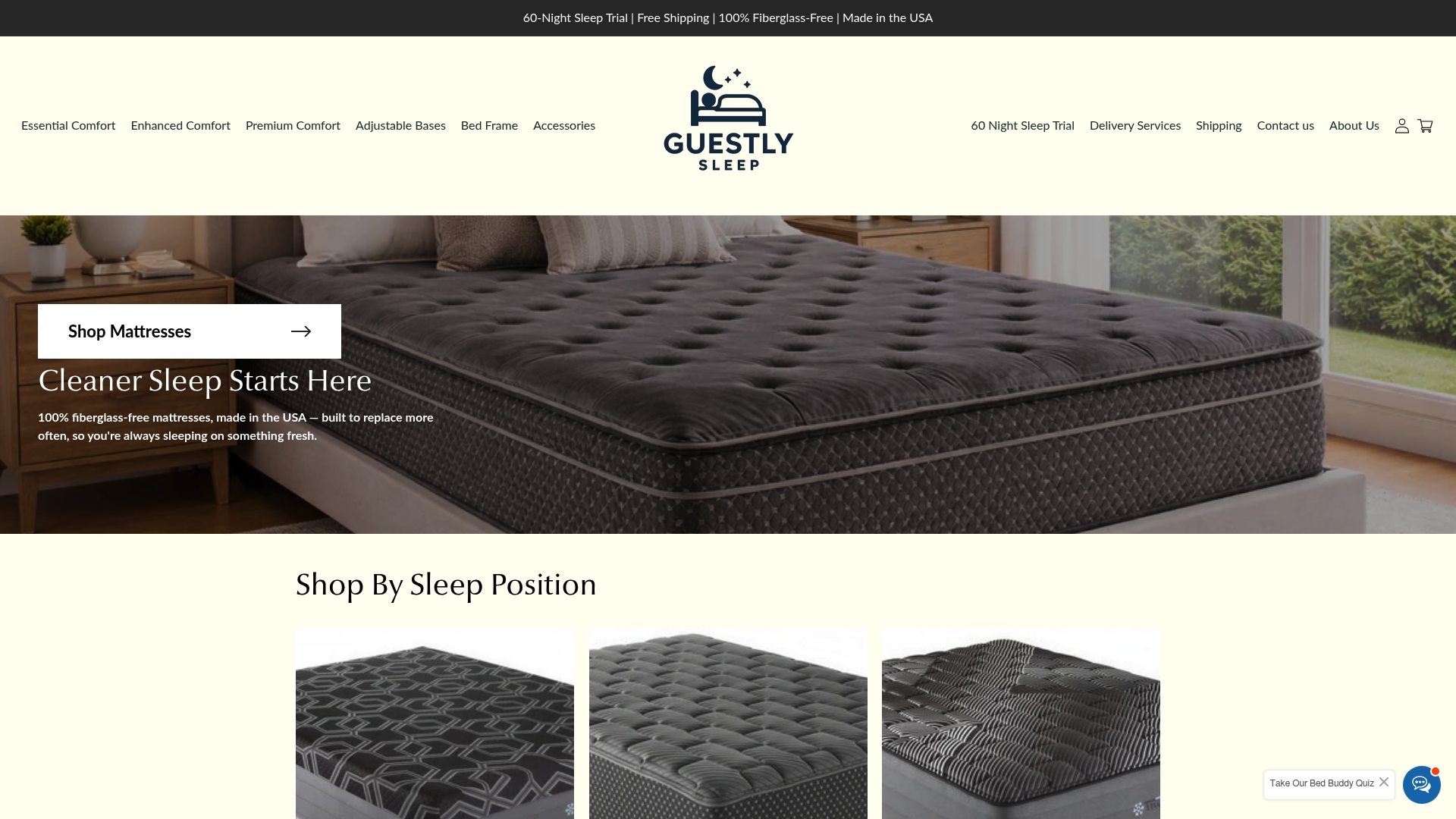
Guestly Sleep’s fiberglass-free mattresses come with a 60-night trial, free shipping, and U.S. manufacturing, which means you’re not paying international shipping fees or waiting weeks to even start your trial clock. If you’re also weighing a foundation upgrade, the Tranquility II adjustable base is worth a look alongside your mattress choice, since a mismatched base can undercut even the best mattress. Sleep science on why sleep architecture matters for long-term health backs up why testing a mattress across full sleep cycles, not just a night or two, actually counts for something.
Start by browsing the current mattress collection, pick the comfort level that matches how you sleep, and let the 60-night trial do the work of confirming you got it right.
Sources
- Mattress Trial Periods | Sleep Foundation
- How Mattress Sleep Trials Work: Fees, Rules, and Catches - LegalClarity
- How to Try a Mattress Online: Making the Most of Sleep Trials - Mattress Bible
- Mattress Trial Periods — What You Need to Know Before Buying
FAQ
What is the difference between a mattress trial and a mattress warranty? A trial covers preference, letting you return a mattress you simply don’t like within a set window. A warranty covers manufacturing defects like sagging or broken coils, and it typically runs for years rather than months, starting only after the trial ends.
How long do mattress trials usually last? Most reputable online mattress trials in the United States run between 60 and 365 nights, with 100 nights functioning as a common baseline across the industry.
Why do mattresses have a break-in period before I can return them? New mattresses, especially foam ones, often need time to soften and decompress. A roughly 30-night break-in period lets the mattress reach its true feel before you judge whether it’s right for you.
What happens to a mattress after I return it? Most brands coordinate donation to charities or shelters for returned mattresses, with a smaller share going to recycling or refurbishing programs. Resale as a new product is rare, which is part of why some brands charge pickup fees to cover that logistics cost.
Does staining or damage void my return eligibility? Yes, in most cases. Condition requirements are standard across the industry, which is why using a waterproof mattress protector from the first night is one of the simplest ways to protect your return rights.
Should I pay by credit card for a mattress purchase? It’s a smart move when you have the option. Credit cards give you dispute and chargeback rights that financing plans and buy-now-pay-later services generally don’t, which matters if a return gets denied unfairly.